Consuls
Broughton: After Perusia fell to Octavian Pollio retreated to Venetia where in the course of several months he won Domitius Ahenobarbus over to Antony and prepared the way for the latter to land in Italy (a). In this period may be dated his capture of Salona in Dalmatia (b). He aided in reconciling Antony and Octavian at Brundisium (c), and when both Consuls abdicated shortly afterwards received command of Macedonia from Antony (d; see 39, Promagistrates).
Sources (5)
-
Broughton, MRR2
- CIL 10.5159-ILS 3784; Fast. Sacerd., CIL 12.1, p. 60, no. III-ILS 9338, no. 3; Fast. Colot., Degrassi 273-275; Fast. Mag. Vic., ibid. 282, 287; Fast. Biond., ibid. 291f.; ibid. 135, 504f.; Joseph. AJ 14.389; Dio 48, Index, and 15.1, and 32.1; Chr. 354; Fast. Hyd.; Chr. Pasc.; Cassiod.; on Domitius, Grueber, CRRBM 2.373; CIL 6.1301-ILS 42; CIL 2.6186; and on Pollio, Verg. Ecl. 4.11-12.
- (a) Vell. 2.76.2; App. BC 5.35, and 50, and 64; cf. Verg. Ecl. 8.6-7
- (b) Serv. on Ecl. 3.88, and 4.1 post etiam consutatum adeptus; Serv. Dan. on Ecl. 8.12, who dates it before the peace of Brundisium; cf. Bern. Schol. on Eel. 8.6 and 13; and 4.1, Preface; Iun. Philargyr. I and II on Ecl. 4.1; and 8.13; see 39, Promagistrates, on Pollio
- (c) App. BC 5.64
- (d) Dio 48.32.1
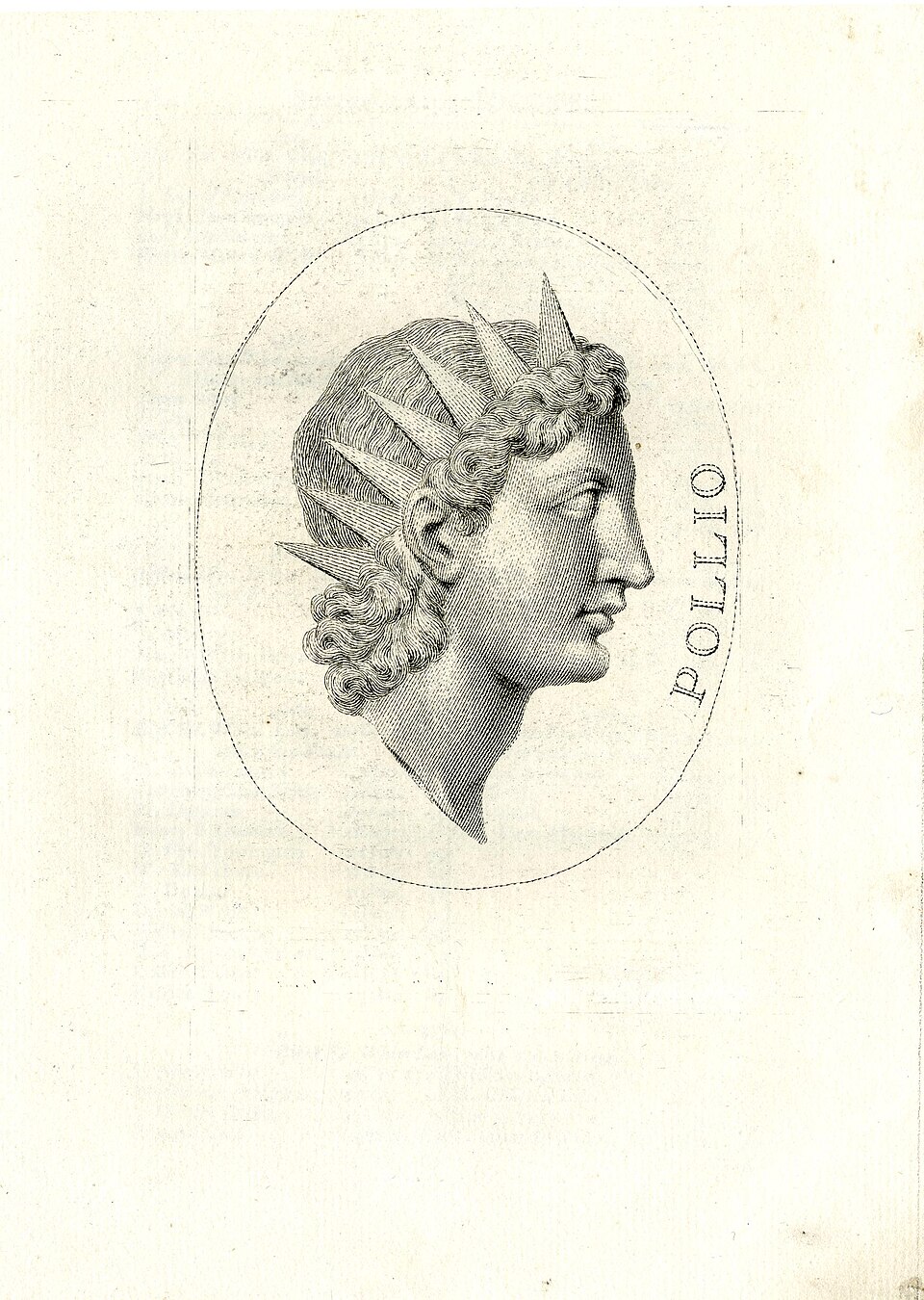
Broughton: After Perusia fell to Octavian Pollio retreated to Venetia where in the course of several months he won Domitius Ahenobarbus over to Antony and prepared the way for the latter to land in Italy (a). In this period may be dated his capture of Salona in Dalmatia (b). He aided in reconciling Antony and Octavian at Brundisium (c), and when both Consuls abdicated shortly afterwards received command of Macedonia from Antony (d; see 39, Promagistrates).
Sources (5)
-
Broughton, MRR2
- CIL 10.5159-ILS 3784; Fast. Sacerd., CIL 12.1, p. 60, no. III-ILS 9338, no. 3; Fast. Colot., Degrassi 273-275; Fast. Mag. Vic., ibid. 282, 287; Fast. Biond., ibid. 291f.; ibid. 135, 504f.; Joseph. AJ 14.389; Dio 48, Index, and 15.1, and 32.1; Chr. 354; Fast. Hyd.; Chr. Pasc.; Cassiod.; on Domitius, Grueber, CRRBM 2.373; CIL 6.1301-ILS 42; CIL 2.6186; and on Pollio, Verg. Ecl. 4.11-12.
- (a) Vell. 2.76.2; App. BC 5.35, and 50, and 64; cf. Verg. Ecl. 8.6-7
- (b) Serv. on Ecl. 3.88, and 4.1 post etiam consutatum adeptus; Serv. Dan. on Ecl. 8.12, who dates it before the peace of Brundisium; cf. Bern. Schol. on Eel. 8.6 and 13; and 4.1, Preface; Iun. Philargyr. I and II on Ecl. 4.1; and 8.13; see 39, Promagistrates, on Pollio
- (c) App. BC 5.64
- (d) Dio 48.32.1
Praetors
Broughton: The latest date possible under the Cornelian law, and probable, even in a period of many irregularities, since Agrippa (see below) was his colleague also in 37.
Sources (1)
- Broughton, MRR2
Broughton: The latest date possible under the Cornelian law
Sources (1)
- Broughton, MRR2
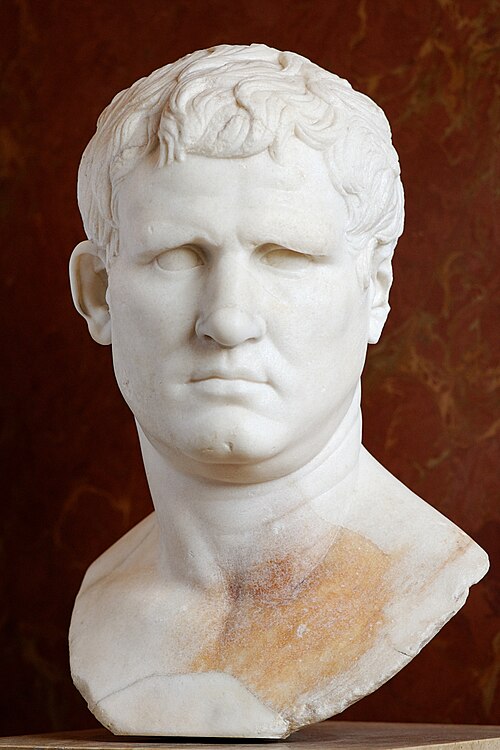
Broughton: As Praetor Urbanus, he gave the games of Apollo (a). He took an important part in the Perusine war (b), and after the surrender won over two of Plancus' legions (c). He then received command against Sextus Pompey (d), and repelled Antony's attack on Sipontum (e). According to Dio (f) Agrippa brought the Aqua Iulia to Rome in 40 (g). See (h)
Sources (8)
Broughton: All the Praetors retired from office after the pact of Brundisium and others were elected in their place.
According to Josephus (a) they convened (#) the Senate and introduced Herod of Judaea to the session near the end of 40 when he received the title of king (b).
Sources (2)
-
Broughton, MRR2
- (a) AJ 14.384
- (b) cf. BJ 1.284-285: Octavian convened the Senate, and they introduced Herod
Broughton: All the Praetors retired from office after the pact of Brundisium and others were elected in their place.
According to Josephus (a) they convened (#) the Senate and introduced Herod of Judaea to the session near the end of 40 when he received the title of king (b).
Sources (2)
-
Broughton, MRR2
- (a) AJ 14.384
- (b) cf. BJ 1.284-285: Octavian convened the Senate, and they introduced Herod