Consuls
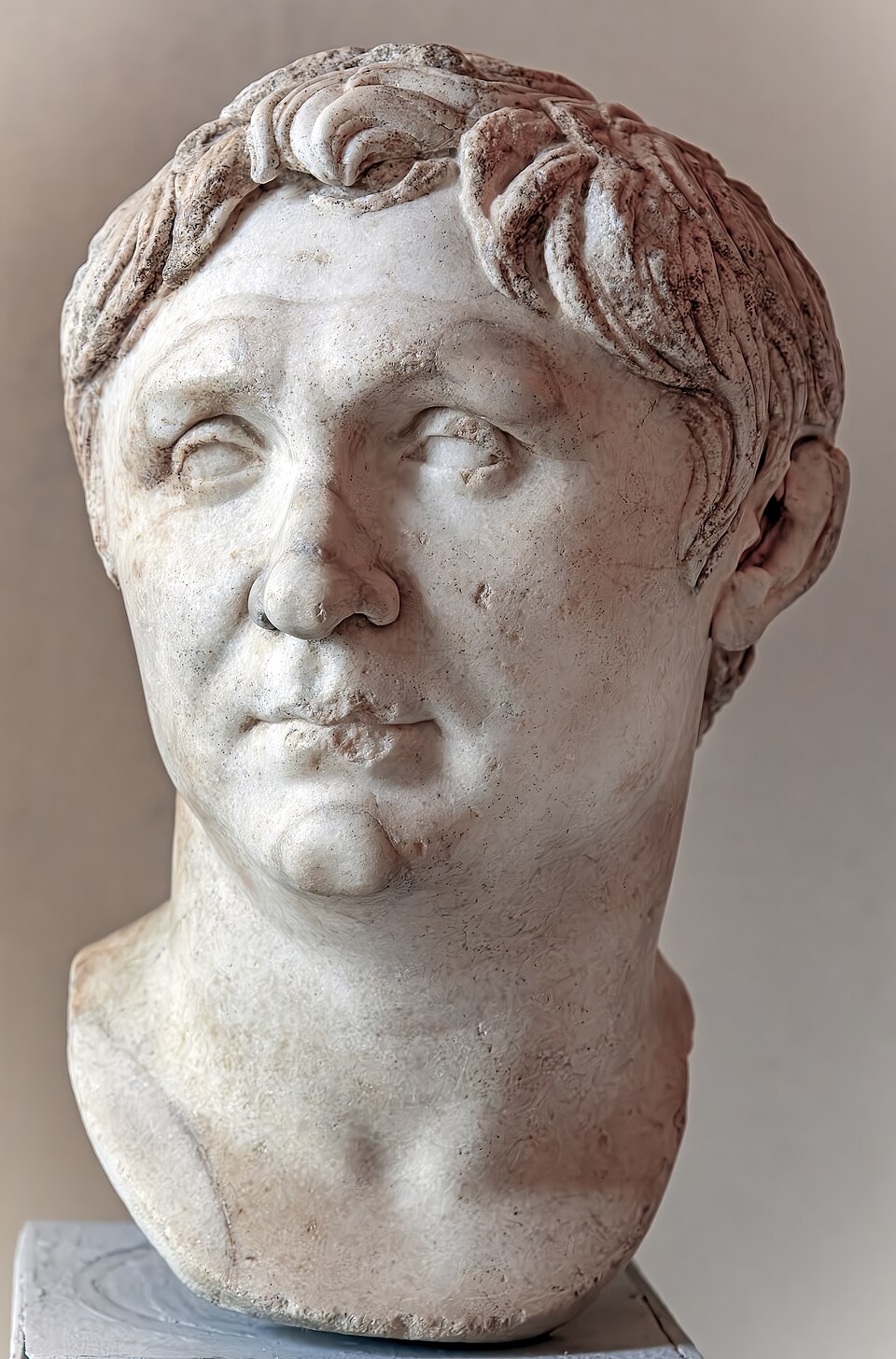
Broughton: Because of the violence which attended the candidacy of Milo, Metellus Scipio, and Hypsaeus for the consulship, and of Clodius for the praetorship, the murder of the latter on January 18 by Milo's followers in a brawl at Bovillae, and the subsequent disorder in Rome, the factions of Pompey and of Cato together with many moderates united to elect Pompey sole Consul, and secured his entrance into office V a. d. Kal. Mart. in the intercalary month (a). He secured new legislation against violence and bribery, and reformed court procedure with measures designed to expedite actions, limit speeches, and increase penalties, including, 1. a Lex de vi, with special reference to the murder of Clodius and the subsequent rioting (b); 2. a Lex de ambitu, so drawn as to permit examination of past acts as far as 70 B. C. (c). There followed the trial and conviction of Milo, and of many other persons who had been involved. Later, after the passage of the law of the Ten Tribunes (see Tribunes of the Plebs), he secured passage of a law to compel candidates for office to make their announcement in person in Rome (d). He also enacted into law a senatorial resolution of the previous year that an interval of five years should elapse between a city magistracy and a provincial command (e). He secured the election of Metellus Scipio, by then his father-in-law, as his colleague for the last five months of the year. His command in Spain was prorogued (see Promagistrates). (f).
Sources (7)
-
Broughton, MRR2
- CIL 12.2.769, 931-933; Gell. 10.1.7-9; Dio 40, Index; Chr. 354 (Magno III solo); Fast. Hyd. (Pompeio III et Metello Scripione); Chr. Pasc. (#); Cassiod. See Degrassi 132, 496f.
- (a) Ascon. 30-36 C; Plut. Pomp. 54; Dio 40.45-50; cf. Cic. Phil. 1.18; Att. 7.1.4; 8.3.3; Liv. Per. 107; Vell. 2.47.3; Val. Max. 6.2.11; 8.15.8; Plin. NH 15.3; 33.14; 34.139; Tac. Ann. 3.28; Suet. Iul. 26.1; Plut. Cat. Min. 47-48; Caes. 28.4-5; App. BC 2.20-25; Zonar. 10.7
- (b) Cic. Mil. 15 and 70 and 79; Ascon. 36 C; App. BC 2.23; Schol. Bob. 112 Stangl; Schol. Gron. 323 Stangl
- (c) Cic. Att. 13.49.1; 10.4.8; Ascon. 36 C; Plut. Cat. Min. 48.3; Tac. Dial. 38; App. BC 2.23-24
- (d) Dio 40.56. Suet. Iul. 28.3; Flor. 2.13.16-17; cf. Cic. Att. 7.1.4, and 3.4; 8.3.3; Fam. 6.6.5; Phil. 2.24; Caes. BC 1.32; 3.82
- (e) Dio 40.56.1, cf. 30.1, and 46.2; Caes. BC 1.85.9
- (f) See D.-G. 4.534-536
Broughton: As a candidate for the consulship he was involved in the election disorders and was prosecuted, but Pompey married his daughter, and used his influence to win acquittal (a); and eventually had him elected his colleague for the final months of the year (b). He carried a law restoring to the Censors the powers that had been removed by the Clodian law of 58 (c).
Sources (4)
-
Broughton, MRR2
- CIL 12.2.933, Id. Sept.; Val. Max. 9. 1. 8; Dio 40, Index; Fast. Hyd. (see above), Chr. Pasc. (see above); Cassiod.
- (a) Ascon. 30-31, 33-34, 43 C; Plut. Pomp. 55; Cat. Min. 47-48; App. BC 2.24; Dio 40.51, and 53; cf. Liv. Per. 107; Vell. 2.54.2; Val. Max. 9.5.3; Schol. Bob. 116, 161 Stangl; Schol. Gron. 322 Stangl
- (b) Plut. Pomp. 55; App. BC 2.25; Dio 40.51
- (c) Dio 40.57
Career-overlap (4) Magistrates with the closest career overlap; red font indicates family member
Cn. Pompeius Magnus (): 55 BCE (Consul) , 52 BCE (Consul)
P. Vatinius (): 59 BCE (Tribune of the Plebs) , 55 BCE (Praetor)
C. Cosconius (pr. 54) (): 59 BCE (Tribune of the Plebs) , 57 BCE (Aedile)
T. Annius Milo Papianus (): 57 BCE (Tribune of the Plebs) , 55 BCE (Praetor)
Praetors
Broughton: The latest date possible under the Cornelian law.
Sources (1)
- MRR2
Broughton: Broughton: M. Nonius Sufenas was governor of an eastern province in Feb. 50 (a) and very probably in 51. As he held the quaestorship in 62 and the tribunate of the Plebs in 56, Pompey's law establishing an interval of five years between city magistracy and provincial command can hardly have been applied to him. In fact, it may not have been applied to the magistrates of 52 at all. Accordingly I suggest 52 as the year of his praetorship and 51 and 50 for his promagistracy. See 51, Promagistrates
Sources (1)
-
Broughton, MRR2
- (a) Cic. Att. 6.1.13
Broughton: See 51, Promagistrates
Sources (1)
- MRR2
Broughton: See 51, Promagistrates
Sources (1)
- MRR2
Aediles
Broughton: Willems (1.491) suggests that Favonius' colleague was Aufidius Lurco (he emends # in Mss of Plut. Cat. Min. 46.4 to #).
Sources (1)
-
Broughton, MRR2
- Plut. Cat. Min. 46.4
Broughton: Plutarch (a) appears to place Favonius' aedileship before the electoral violence of late 53 and early 52, but also associates his games with those of Curio (whom he terms a colleague), who was absent from Rome in 53 and gave his games in honor of his father in 52 (b). Curio was not then an Aedile but was preparing for his candidacy for the aedileship of 50. Dio places Favonius' aedileship during the tribunate of Pompeius Rufus, which is dated in 52 (see Tribunes of the Plebs). Favonius was an unsuccessful candidate for the praetorship of 50 (c).
Sources (4)
-
Broughton, MRR2
- Plut. Cat. Min. 46; Dio 40.45.3.
- (a) Cat. Min. 46-47
- (b) Cic. Fam. 2.3; Plin. NH 36.116-120
- (c) Cael. in Cic. Fam. 8.9.5
Career-overlap (5) Magistrates with the closest career overlap; red font indicates family member
M. Aemilius Lepidus Paullus (cos. 46) (): 59 BCE (Quaestor) , 49 BCE (Praetor)
C. Claudius Marcellus (cos. 49) (): 52 BCE (Praetor) , 49 BCE (Consul)
C. Julius Caesar (): 59 BCE (Consul) , 49 BCE (Dictator)
L. Caecilius Metellus (): 52 BCE (Quaestor) , 49 BCE (Tribune of the Plebs)
M. Antonius (cos. 44) (): 52 BCE (Quaestor) , 49 BCE (Tribune of the Plebs)
Quaestors
Broughton: See 51, Addendum.
Sources (1)
- MRR2

Broughton: Chosen without the lot, he served under Caesar in Gaul (a). He did not leave for Gaul until after Milo's trial in April (b).
Sources (2)
Broughton: Quaestor in Sicily (a). See 49, Tribunes of the Plebs.
Sources (1)
-
Broughton, MRR2
- (a) IGRP 1.501; see CIL 10.7258, and commentary
Career-overlap (4) Magistrates with the closest career overlap; red font indicates family member
M. Antonius (cos. 44) (): 52 BCE (Quaestor) , 49 BCE (Tribune of the Plebs)
Q. Cassius Longinus (): 52 BCE (Quaestor) , 49 BCE (Tribune of the Plebs)
C. Claudius Marcellus (cos. 49) (): 52 BCE (Praetor) , 49 BCE (Consul)
Broughton: Chosen, not allotted, he served under Pompey in Spain (a).
Sources (1)
-
Broughton, MRR2
- (a) Cic. Att. 6.6.4; Fam. 2.15.4; Bell. Alex. 48.1; 50.1; Dio 41.24.2
Career-overlap (5) Magistrates with the closest career overlap; red font indicates family member
L. Caecilius Metellus (): 52 BCE (Quaestor) , 49 BCE (Tribune of the Plebs)
M. Antonius (cos. 44) (): 52 BCE (Quaestor) , 49 BCE (Tribune of the Plebs)
C. Claudius Marcellus (cos. 49) (): 52 BCE (Praetor) , 49 BCE (Consul)
M. Favonius (): 52 BCE (Aedile) , 49 BCE (Praetor)
(): 49 BCE (Tribune of the Plebs)
Broughton: See 51, Addendum
Sources (1)
- MRR2
Tribune of the Plebs
Broughton: Supported Milo (a), and joined Cicero in the defence of M. Saufeius (b).
Sources (2)
Career-overlap (4) Magistrates with the closest career overlap; red font indicates family member
C. Cosconius (pr. 54) (): 57 BCE (Aedile) , 48 BCE (Praetor)
Q. Fabius Maximus (): 57 BCE (Aedile) , 48 BCE (Praetor)
C. Sallustius Crispus (): 52 BCE (Tribune of the Plebs) , 48 BCE (Quaestor)
Q. Caecilius Metellus Scipio (cos. 52) (): 57 BCE (Aedile) , 52 BCE (Consul)
Broughton: He joined Caelius in restoring to Milo a slave who was being kept as a witness at the home of a Triumvir Capitalis (a).
Sources (1)
-
Broughton, MRR2
- (a) Ascon. 37 C
Broughton: A supporter of Clodius who was prominent in the disorders after his murder (a). Immediately after his year in office Cicero prosecuted him under the law of Pompey de vi and sent him into exile (b).
Broughton: A supporter of Clodius, who was prominent in the disorders after his death (a). Immediately after his year of office Caelius prosecuted him and sent him into exile (b). See D.-G. 4.319f., no. 7.
Broughton: Opposed Milo, and supported his colleagues Plancus and Rufus (a). All ten Tribunes joined together to pass a law permitting Caesar to be a candidate for the consulship in absence (b).
Sources (2)
-
Broughton, MRR2
- (a) Ascon. 37, 44-45, and 49 C
- (b) Caes. BC 1.32.3, cf. 9.2; Cic. Att. 7.1.4, and 3.4, and 6.2; Fam. 6.6.5; 8.3.3; 16.12.3; Phil. 2.24; Liv. Per. 107; Suet. Iul. 26, and 28; Plut. Pomp. 56; App. BC 2.25; Flor. 2.13.16; Dio 40.51.2
Career-overlap (5) Magistrates with the closest career overlap; red font indicates family member
A. Hirtius (): 48 BCE (Tribune of the Plebs) , 46 BCE (Praetor)
C. Julius Caesar (): 48 BCE (Consul, Dictator) , 46 BCE (Consul, Dictator)
M. Caelius Rufus (): 52 BCE (Tribune of the Plebs) , 48 BCE (Praetor)
C. Trebonius (): 55 BCE (Tribune of the Plebs) , 48 BCE (Praetor)