Consuls
Broughton: Pupius Piso unwillingly proposed the bill to constitute a special court to try Clodius for his sacrilege toward the Bona Dea (a), and was probably the author of a law regulating the meetings of the Senate in relation to comitial days (b). Valerius, a good conservative, attacked Clodius, and opposed Pupius (c). On Pupius Piso, see D.-G. 2.69, no. 15; and on Messalla, Münzer, Gent. Val. 52f., no. 59.
Sources (4)
-
Broughton, MRR2
- CIL 12.2.912, 913; Cic. Att. 1.12.4, and 13.6; Caes. BG 1.2.1, and 35.4; Fast. Amit., Degrassi 170f. (M. Pupius Piso Frugi, M. Vale [-]); Plin. NH 7.98; 8.131; 37.13, and Solin. 26.10 M; Dio 37, Index, and 46.1; Chr. 354 (Calpurniano et Messala); Fast. Hyd. (Pisone Frugi et Messala Nigro); Chr. Pasc. (#); Cassiod.; on Pupius, Cic. Att. 1.18.3; and on Valerius, CIL 12 .2.914; Elogium, CIL 12. 1, p. 20 1-Inscr. Ital. 13.3.77-ILS 46; Val. Max. 9. 14.5; Plin. NH 8. 131; Solin. 26.10, p. 115 M. See Degrassi 131, 490f.
- (a) Cic. Att. 1. 13.3, and 14.5-6, and 16.1 and 8 and 12
- (b) Cic. Fam. 1.4.2; cf. Att. 1.14.5; QF 2.2.3; Sest. 74; Caes. BC 1.5.4
- (c) Cic. Att. 1.13.3, and 14.2-6
Broughton: Pupius Piso unwillingly proposed the bill to constitute a special court to try Clodius for his sacrilege toward the Bona Dea (a), and was probably the author of a law regulating the meetings of the Senate in relation to comitial days (b). Valerius, a good conservative, attacked Clodius, and opposed Pupius (c). On Pupius Piso, see D.-G. 2.69, no. 15; and on Messalla, Münzer, Gent. Val. 52f., no. 59.
Sources (4)
-
Broughton, MRR2
- CIL 12.2.912, 913; Cic. Att. 1.12.4, and 13.6; Caes. BG 1.2.1, and 35.4; Fast. Amit., Degrassi 170f. (M. Pupius Piso Frugi, M. Vale [-]); Plin. NH 7.98; 8.131; 37.13, and Solin. 26.10 M; Dio 37, Index, and 46.1; Chr. 354 (Calpurniano et Messala); Fast. Hyd. (Pisone Frugi et Messala Nigro); Chr. Pasc. (#); Cassiod.; on Pupius, Cic. Att. 1.18.3; and on Valerius, CIL 12 .2.914; Elogium, CIL 12. 1, p. 20 1-Inscr. Ital. 13.3.77-ILS 46; Val. Max. 9. 14.5; Plin. NH 8. 131; Solin. 26.10, p. 115 M. See Degrassi 131, 490f.
- (a) Cic. Att. 1. 13.3, and 14.5-6, and 16.1 and 8 and 12
- (b) Cic. Fam. 1.4.2; cf. Att. 1.14.5; QF 2.2.3; Sest. 74; Caes. BC 1.5.4
- (c) Cic. Att. 1.13.3, and 14.2-6
Praetors
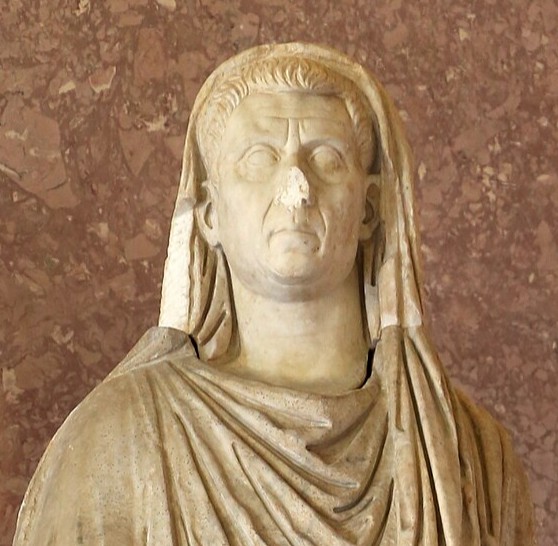
Broughton: This is the latest date possible under the Cornelian law
Sources (1)
-
Broughton, MRR2
- Cic. Pis. 2, date uncertain
Career-overlap (5) Magistrates with the closest career overlap; red font indicates family member
A. Gabinius (): 61 BCE (Praetor) , 58 BCE (Consul)
C. Octavius (): 64 BCE (Aedile) , 61 BCE (Praetor)
L. Domitius Ahenobarbus (cos. 54) (): 61 BCE (Aedile) , 58 BCE (Praetor)
M. Plaetorius Cestianus (): 70 BCE (Quaestor) , 64 BCE (Praetor)
M. Valerius Messalla Niger (cos. 61) (): 64 BCE (Praetor) , 61 BCE (Consul)
Broughton: This is the latest date possible under the Cornelian law, since he was a candidate for the consulship of 58 (a).
Sources (2)
-
Broughton, MRR2
- Cic. Vat. 25; cf. Att. 2.24.2
- (a) Cic. Vat. 25
Broughton: Gabinius served under Pompey in Syria and Palestine until 63 at least. This, the latest date permitted under the Cornelian law, is also the most probable date for his praetorship.
Sources (1)
- Broughton, MRR2
Career-overlap (3) Magistrates with the closest career overlap; red font indicates family member
L. Calpurnius Piso Caesoninus (cos. 58) (): 61 BCE (Praetor) , 58 BCE (Consul)
Q. Voconius Naso (): 67 BCE (Aedile) , 61 BCE (Praetor)
L. Domitius Ahenobarbus (cos. 54) (): 61 BCE (Aedile) , 58 BCE (Praetor)
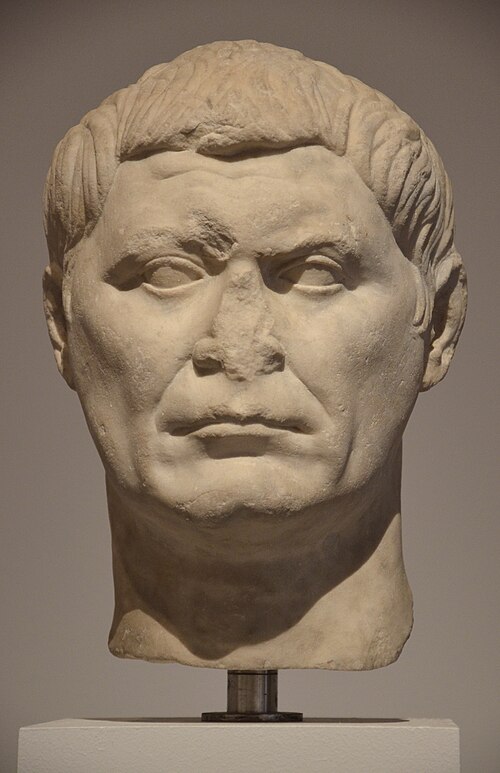
MT: No further comments in MRR2
Sources (1)
-
Broughton, MRR2
- Elogium, CIL 12.1, p. 199-Inscr. Ital. 13.3.75b-ILS 47; Cic. QF 1.1.21; Vell. 2.59.1-2. See 60-58, Promagistrates.
Broughton: Cic. Flacc. 50, a Praetor before 60. See 66, Iudex Quaestionis; and 68, note 9, on governors of Asia
Sources (1)
-
Broughton, MRR2
- Cic. Flacc. 50
Aediles
MT: No further comments in MRR2
Career-overlap (5) Magistrates with the closest career overlap; red font indicates family member
C. Memmius (pr. 58) (): 66 BCE (Tribune of the Plebs) , 58 BCE (Praetor)
A. Gabinius (): 61 BCE (Praetor) , 58 BCE (Consul)
L. Calpurnius Piso Caesoninus (cos. 58) (): 61 BCE (Praetor) , 58 BCE (Consul)
M. Aemilius Scaurus (): 66 BCE (Quaestor) , 58 BCE (Aedile)
P. Plautius Hypsaeus (): 66 BCE (Quaestor) , 58 BCE (Aedile)
Broughton: The date is uncertain, but precedes 60 B. C.
Sources (1)
-
Broughton, MRR2
- Cic. Planc. 19.
Quaestors
Broughton: Quaestor in Sicily, but proceeded there only after his acquittal from the charge of sacrilege at the rites of the Bona Dea (a).
Sources (1)
Career-overlap (5) Magistrates with the closest career overlap; red font indicates family member
A. Gabinius (): 61 BCE (Praetor) , 58 BCE (Consul)
Cn. Cornelius Lentulus Marcellinus (cos. 56) (): 60 BCE (Praetor) , 56 BCE (Consul)
Cn. Plancius (): 58 BCE (Quaestor) , 56 BCE (Tribune of the Plebs)
L. Calpurnius Piso Caesoninus (cos. 58) (): 61 BCE (Praetor) , 58 BCE (Consul)
L. Domitius Ahenobarbus (cos. 54) (): 61 BCE (Aedile) , 58 BCE (Praetor)
Broughton: Quaestor Urbanus (a). See 57, Tribunes of the Plebs.
Sources (1)
-
Broughton, MRR2
- (a) Cic. Flacc. 30
Broughton: Quaestor Urbanus (a).
Sources (1)
-
Broughton, MRR2
- (a) Cic. Flacc. 30
Tribune of the Plebs
Broughton: He proposed, but did not carry, a bribery law (a).
Sources (1)
-
Broughton, MRR2
- (a) Cic. Att. 1.16.13, cf. 18.3
Broughton: On his name, see Cic. Flacc. 89;
Sources (2)
-
Broughton, MRR2
- Cic. Att. 1.14.6
- P. Red. in Sen. 23; Head, HN² 497
Brougthon: The court for the trial of Clodius for sacrilege was constituted according to the proposals in a bill of Calenus, not the original consular measure (a).
Sources (2)
-
Broughton, MRR2
- Cf. Cic. Fam. 5.6.1.
- (a) Cic. Att. 1.14.5, and 16.2; Paradox. 32; Ascon. 45 C; Plut. Caes. 10.5; Schol. Bob. 85 Stangl